February 1959
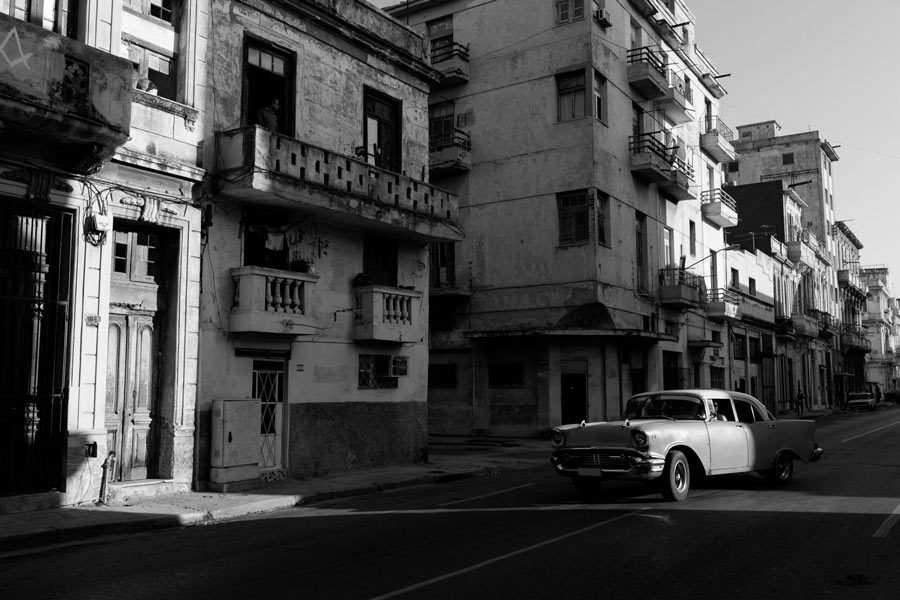
Batista’s dictatorship was marked by the violent repression of protesters. His secret police killed young men in the streets, tortured the innocent, and it is estimated that 20,000 civilians were killed: “Hundreds of mangled bodies were left hanging from lamp posts or dumped in the streets.” (Source: Irving Louis Horowitz. “Cuban communism.” New Brunswick, N.J.: Transaction Books, 1988. p. 662.)
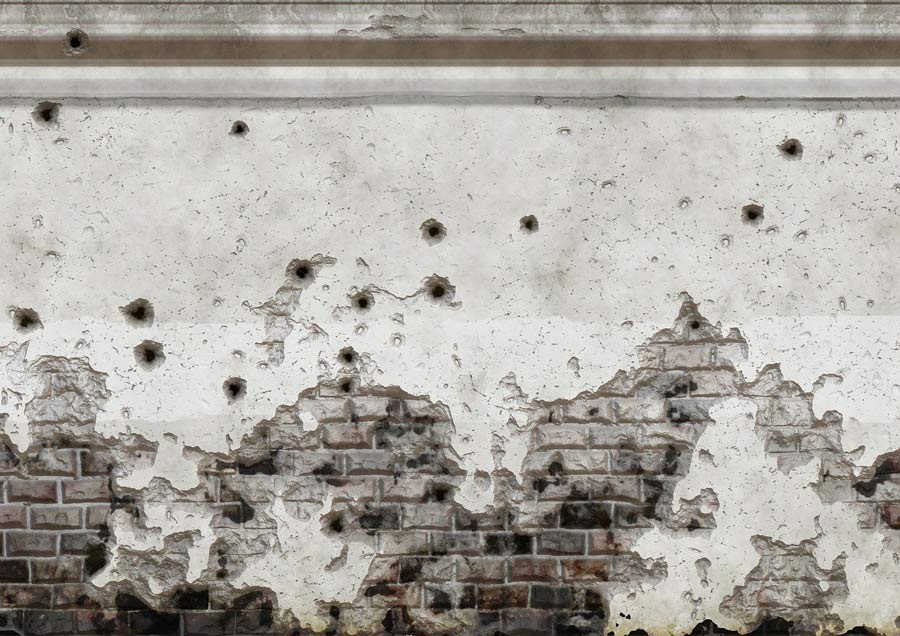
Batista’s terror campaign only increased support for the rebels and when the Castro revolt succeeded and Batista fled the country, the public demanded justice. Tribunals were held to hold Batista’s officials to “revolutionary justice.” As many as 500 were executed. Death by firing squad came to be known as “al paredón”—”to the wall.”